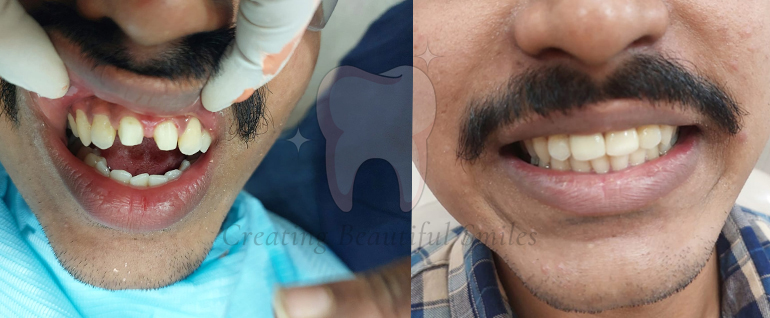
A dental crown is a tooth-shaped "cap" that is placed over a tooth to cover the tooth to restore its shape and size, strength, and improve its appearance.
The crowns, when cemented into place, fully encase the entire visible portion of a tooth that lies at and above the gum line.
Different types of Dental Crowns :
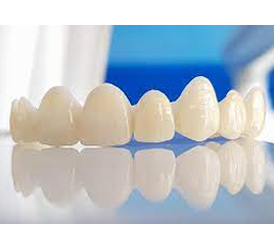
ZIRCONIA CROWNS
Zirconia crowns are dental crowns made from zirconia, a type of ceramic material known for its durability, strength, and aesthetic qualities. Zirconia is a crystalline oxide of zirconium, and it is used in various applications, including dentistry.
Here are some key features and benefits of zirconia crowns:
Strength and Durability: Zirconia is a very strong material, making it suitable for dental crowns that need to withstand the forces of biting and chewing. Zirconia crowns are known for their durability and resistance to wear.
Aesthetics: Zirconia crowns are tooth-colored and can be customized to match the natural color of adjacent teeth. This makes them a popular choice for individuals looking for a more natural and aesthetically pleasing appearance.
Biocompatibility: Zirconia is biocompatible, meaning it is well-tolerated by the body and does not cause adverse reactions. This makes zirconia crowns suitable for individuals with metal allergies or sensitivities.
Minimal Tooth Preparation: In some cases, zirconia crowns may require less tooth reduction compared to traditional crowns, allowing for more conservative preparation of the tooth structure.
Longevity: Zirconia crowns are known for their long-term stability and can provide lasting results when properly cared for. Regular dental hygiene practices and check-ups are essential to maintain the health of the crowned tooth.
Corrosion Resistance: Unlike some metal-based dental materials, zirconia is resistant to corrosion. This property contributes to the longevity of the crown.
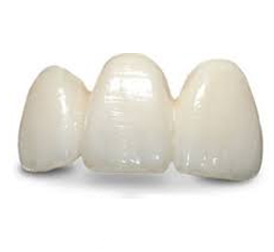
E-MAX CROWNS
E-MAX (or lithium disilicate) crowns are a type of dental restoration used to repair or replace damaged or missing teeth. These crowns are known for their aesthetic qualities and strength
Here are some key points about E-MAX crowns:
Material: E-MAX crowns are made from lithium disilicate, a glass-ceramic material known for its durability and translucent appearance. This makes them an excellent choice for achieving a natural and lifelike look.
Strength: Lithium disilicate is a high-strength material, providing durability and resistance to wear. E-MAX crowns are suitable for both anterior (front) and posterior (back) teeth due to their strength.
Biocompatibility: E-MAX crowns are biocompatible, meaning they are well-tolerated by the body, reducing the risk of allergic reactions or other adverse effects. Minimally Invasive Preparation: Compared to traditional crowns, E-MAX crowns often require less tooth structure removal during the preparation phase, making them a more conservative option.
Versatility: E-MAX crowns can be used for various dental applications, including single crowns, bridges, and even veneers. They offer versatility in addressing different types of dental issues.
Cementation: E-MAX crowns are usually cemented onto the prepared tooth using dental cement. This process helps ensure a secure fit and longevity of the restoration. Care and Maintenance: Like natural teeth, E-MAX crowns require regular oral hygiene practices, including brushing, flossing, and routine dental check-ups. Maintaining good oral hygiene helps extend the lifespan of the restoration.
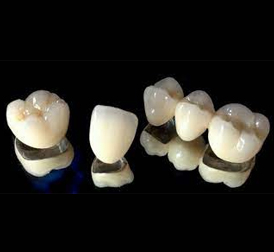
DMLS CROWNS
DMLS crowns" would imply the use of Direct Metal Laser Sintering technology to manufacture dental crowns. This approach allows for the production of precise and customized metal dental crowns with intricate designs that may be challenging to achieve through traditional manufacturing methods. The use of DMLS in dentistry offers advantages such as improved accuracy, faster production times, and the ability to create complex geometries for better fitting and functionality.
PFM Crown or Porcelain Fused to Metal
PFM stands for Porcelain-Fused-to-Metal, and a PFM crown is a type of dental crown used to restore and strengthen a damaged or decayed tooth. Here's a breakdown of the components:
Metal Substructure: The base of a PFM crown is made of metal. Common metals used include nickel-chromium or gold alloys. The metal provides strength and durability to the crown.
Porcelain Outer Layer: The metal substructure is covered with a layer of dental porcelain. This porcelain layer is tooth-colored and mimics the natural appearance of teeth. It provides a more natural and aesthetically pleasing look to the crown, making it suitable for front or visible teeth.
Disadvantage :
Due to aesthetic concerns and the potential for the metal substructure to be visible, PFM crowns may not be the first choice for highly visible areas in the smile.
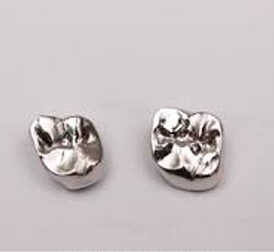
Full Metal Crown
A full metal crown is a type of dental crown made entirely of metal, often using materials like gold, silver, or other alloys. These crowns are known for their durability and strength, making them suitable for back teeth that undergo significant biting forces.